AirNet: Bringing Students Together Through the Power of Air
AirNet brought together students aged 14–18 from six European schools to explore the theme of air through science, technology, music and art. Across six international meetings, students learned, created and performed together, developing confidence, tolerance and new skills while forming friendships and memories that reached far beyond the classroom.
Countries covered: | France, Germany, Slovenia, Spain, United Kingdom |
|---|---|
Period: | 2014 - 2017 |
Funding: | €219,560 |
Type: | Strategic Partnerships for school education |
Background
The AirNet project connected schools in Sindelfingen (Germany), Dronfield (England), Malaga and Barcelona (Spain), Idrija (Slovenia) and Kourou (French Guiana). The theme of air was deliberately chosen because, although it is vital to our environment, it is often seen as a lower priority than issues such as water.
It also offered something for everyone. Students could investigate air through science and technology, or explore it through music and art. Each school developed its own focus and organised activities for the international group when it hosted a project meeting.
Objectives
The main objective was about much more than learning facts. AirNet aimed to help students become more open-minded, tolerant, confident, articulate and self-reliant, while improving their subject knowledge, language skills and creative abilities. It was also designed to broaden their horizons and improve skills that could support their future education and employment.
Implementation
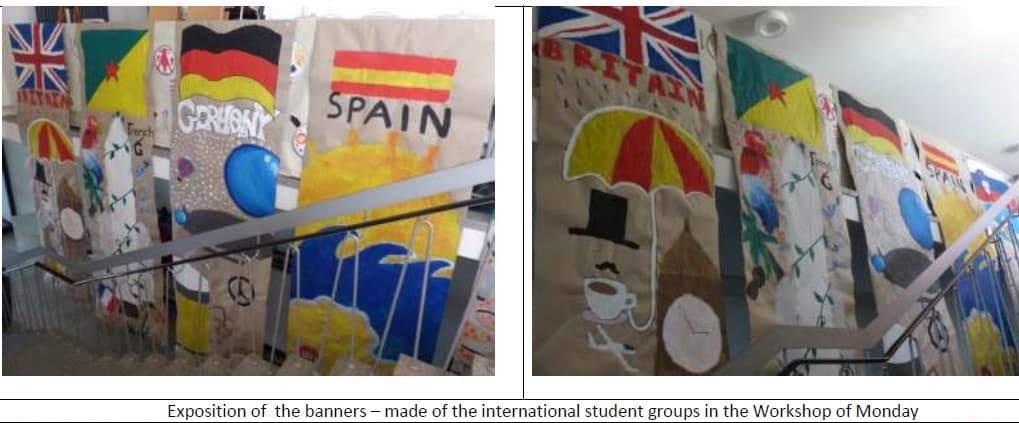
The project was built around six one-week international meetings, hosted in turn by each participating school. Students worked in mixed European teams, combining different languages, cultures, interests and abilities.
There were cooperative science activities, cultural visits, sport and leisure activities, drama, art and creative projects. Students also chose how to present their findings, using video, sound, images, websites and computer applications.
Communication between teachers continued throughout the project using email and a dedicated WhatsApp group, while students kept in touch through email and social media. Planning meetings in Sindelfingen, Idrija and Malaga helped the teachers coordinate activities and keep the project moving.
The international nature of the project was crucial. Students had to find ways to communicate even when language was a barrier. They learned to listen, compromise, share ideas and work with people they had only just met. In the process, the different groups gradually became one team.
Results and impact
The project produced a range of tangible outcomes, including the “Pictures in Motion” exhibition, a smartphone app, an ongoing project website and creative artefacts combining art, music and flight.
“Pictures in Motion” brought together the work and experiences of all the participating countries in a digital and visual format. The website also provided a longer-term legacy, with information about the project and educational materials that could be used by teachers and students in the future.
But perhaps the most important results were harder to measure. Teachers saw students becoming more confident, independent and willing to express themselves. Students developed their language skills in English, French, German and Spanish while also strengthening their scientific, creative and digital abilities.
The project also helped teachers develop professionally. They took on new challenges, experimented with different activities and shared ideas and resources with colleagues in the other schools, creating educational building blocks that could continue to be used after AirNet ended.
Beyond the project
The impact of AirNet went well beyond improved attainment. Students experienced different cultures first-hand and made friendships across borders. They saw new places, entered unfamiliar environments and discovered what they could achieve when working as part of an international team.
Some experiences were particularly unforgettable: visiting the European space-launching zone and watching a live launch in French Guiana, exploring Devil’s Island, experiencing a different school system in Slovenia, discovering the less touristy side of Malaga and working with students at the Deutsche Schule in Barcelona.
For the teachers, the project was equally powerful. It has created lasting friendships and an international professional network, while showing what can be achieved when learning moves beyond the confines of the traditional classroom.
The most striking legacy is perhaps that at least one student from each project strand has gone on to live and work in an EU country. AirNet did not just teach students about air, Europe or different cultures. It helped them imagine — and take — a place in a wider world.
As one teacher put it: “Ask them to remember their science lessons and they may remember a couple of eventful lessons. Ask them to remember these projects and their eyes glaze over and they smile.”
To find out more about this case study, visit the Erasmus+ project database.
“Do it. And then do it again when the funding is extended. Do it for the students, do it for yourselves, do it for our future on the world stage.”
Howard Horsfall, International Links Adviser, Dronfield Henry Fanshawe School