European Journey - film festival
European Journey – Film Festival brought together four primary and middle schools from Poland, Italy, Romania and Bulgaria to explore different perceptions of their culture, traditions, natural environments and literature. Through filmmaking, digital collaboration and international co-operation, pupils developed their ICT and language skills and gained new friendships and experiences. At the same time, teachers learned new teaching methods and developed their confidence in school management.
| Countries | Bulgaria, Italy, Poland and Romania |
|---|---|
| Period | 2020-22 |
| Funding | €108,000 |
| Type | Cooperation partnership |
Bringing shared learning into the classroom
The European Journey project was created in response to the different needs of the four partner schools, who yet shared an ambition to make learning more engaging while developing important skills for the future. Each school brought its own experience and strengths, creating opportunities for teachers and students to learn from one another.
At the heart of the project was a simple idea: learn about different cultures by telling their stories. Students explored their own countries and those of their partners through the films they created, focusing on natural environments, cultural heritage and national literature.
The project also aimed to strengthen schools themselves. Teachers had opportunities to discover new teaching approaches, exchange ideas and develop their ability to use international cooperation and digital tools in their work.
The objective: learning through making films
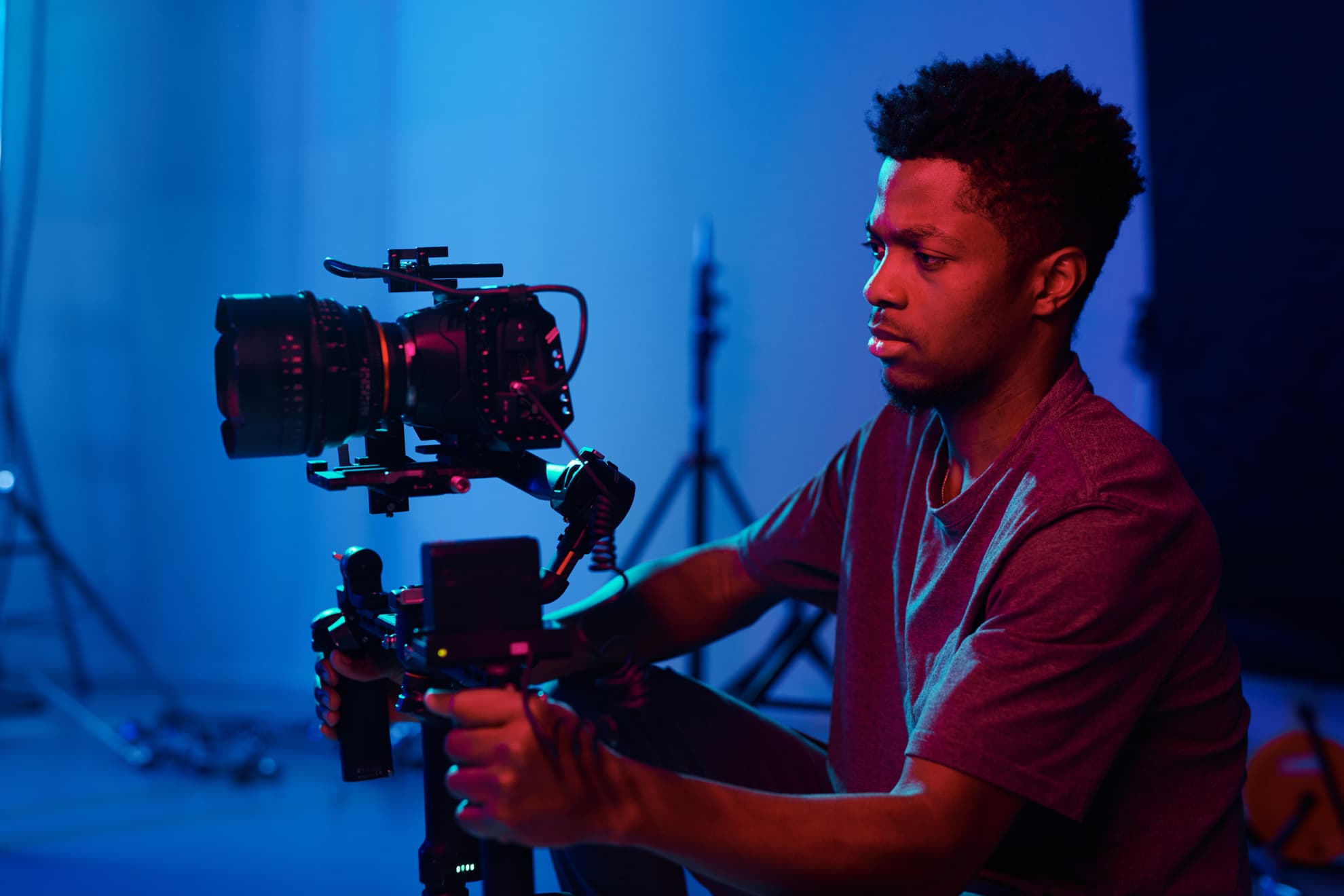
Film-making became the main way students learned and worked together, researching topics, developing ideas, writing scripts and creating multimedia content.
This hands-on approach helped develop a wide range of skills. Students improved their ICT skills by using devices and software to plan and produce films. They also developed communication, teamwork and creative thinking skills as they worked together to turn their research into stories.
The eTwinning platform provided another important space for collaboration. Students from different countries worked together on presentations and film scripts, communicated regularly and even took part in choosing the project logo. This gave the students a practical reason to improve their language skills and helped them become more confident when communicating with people from other countries.
For many students, the project was about much more than producing a finished film. Having responsibility for research, ideas and creative decisions helped them become more independent, confident and willing to share their opinions.
How the schools made it work
International meetings added a valuable face-to-face dimension to the project. Students aged 12–15 had the chance to meet their peers from different countries, practise their language skills and experience other cultures first-hand. New friendships and shared experiences helped make ideas such as tolerance, inclusion and openness feel real rather than simply topics discussed in class.
Teachers benefited too. The international meetings created opportunities to exchange teaching methods and share different approaches to school organisation and management. These ideas and practices could then be adapted and used in the teachers' own schools.
Local events helped spread the benefits beyond the participating students. Schools organised events featuring traditional food, music, dances, songs, presentations and films. Parents, teachers and members of the wider community were invited to take part, creating opportunities to celebrate differences and encourage greater understanding between cultures.
Results and Lasting Impact
The project involved over 100 students through eTwinning activities and more than 60 students in international mobility activities, alongside teachers and members of the wider community. International events were expected to reach at least 250 local participants, while dissemination conferences involved around 120 additional people.
The impact was felt at several levels. Students strengthened their ICT, language and intercultural skills while also developing creativity, teamwork, communication and self-confidence. Meeting young people from other countries helped broaden their perspectives and encouraged greater openness to cultural differences.
Teachers gained new ideas, methods and international experience, strengthening their professional development. For the schools, the project created a richer portfolio of activities, encouraged wider use of ICT in teaching and supported improvements in students' skills and learning outcomes. Members of the project team who had specific film-making experience created a practical, shareable and re-useable guide for “how to make a good movie".
Most importantly, this project showed that international cooperation can turn learning into an experience that students actively create, share and remember. By making films and sharing their cultures, participants became not just learners, but storytellers, collaborators and ambassadors for their communities.
To find out more about this case study, visit the Erasmus+ project database.