Documentary Theatre: Words that matter!
This project aimed to challenge personal and community prejudices about immigration, fight racism and narrow the cultural gap between EU and non-EU citizens. Through workshops, discussions and creative activities, young people explored real experiences of migration and discrimination. They worked together to create a theatre performance that challenged stereotypes and denounced racism. Participants developed empathy, confidence, communication and teamwork skills while learning from people with different backgrounds. The project also encouraged them to speak out against hate speech and become more active in promoting inclusion, equality and respect in their communities.
| Countries | Finland, Greece, Latvia, Poland, Portugal, Türkiye |
|---|---|
| Period | 2021-22 |
| Funding | €34,511 |
| Type | Youth mobility |
Background:
In many European communities, immigrants and refugees still face prejudice, discrimination and hateful language. Young people often encounter these issues through news reports, social media and everyday conversations, but the information they receive is not always balanced. Stereotypes can spread quickly, while the real experiences of migrants and refugees remain unheard.
This was the starting point for ‘Documentary Theatre: Words that Matter!’. The project brought together young people and youth organisations from Portugal, Poland, Greece, Latvia, Finland and Turkey. Its aim was to create a safe space where participants could explore migration, racism and social inclusion in an honest and creative way.
Rather than relying only on discussions or presentations, the project used theatre to help participants look at these subjects from different perspectives. The chosen method was verbatim theatre, which is built around real words, testimonies and personal experiences. This made it possible to move beyond statistics and headlines and focus on the people behind the issues.
Objectives: A Stage for Different Voices
The project had several connected goals. First, it aimed to challenge stereotypes about immigrants and refugees and help young people recognise how prejudice and hate speech affect individuals and communities. It also wanted to encourage tolerance, equality and respect for diversity.
Another important objective was to develop practical skills. Participants were expected to improve their communication, teamwork, creativity and ability to solve problems together. Since they came from different countries and backgrounds, the project also offered a chance to build intercultural understanding and learn how to cooperate across differences.
The organisers wanted participants to become more confident in speaking about difficult social issues. By working with real testimonies and transforming them into a theatre performance, young people could explore sensitive questions with empathy rather than judgement. The hope was that they would return home ready to challenge discrimination and become more active in their own communities.
Implementation: From Testimonies to Theatre
The project ran from January 2021 to February 2022 and included an Advanced Planning Visit followed by a youth exchange in Braga, Portugal. During the main activity, 42 young people aged between 23 and 30 worked together for ten days.
The participants were divided into international teams and took on different roles, including writing, acting, visual art and production. They began with workshops and discussions about migration, racism, identity and exclusion. Study visits and group activities helped connect these conversations to real life, while daily reflection sessions gave everyone time to consider what they were learning. They had to decide which stories to include, how to present them, what emotions to communicate and how to ensure that the people whose experiences inspired the work were treated with respect.
The process was not always easy. Participants had to negotiate different opinions, languages and working styles. However, these challenges became part of the learning experience. They practised listening, giving feedback, managing disagreements and trusting one another. Youthpass activities also helped them identify and record the skills they developed.
Results:
The project left participants with a stronger understanding of discrimination and the experiences of people who are often excluded from public conversations. Working with personal testimonies helped them develop empathy and see migration-related issues in a more human and nuanced way.
They also gained confidence in expressing their opinions and standing up against hate speech. Alongside these social and civic benefits, participants improved their communication, cooperation, creative and conflict-resolution skills. Many returned home better prepared to take part in community activities and encourage more inclusive attitudes among their peers.
The impact extended beyond the young people themselves. The participating organisations gained a new creative method for addressing sensitive topics in youth work. They strengthened their international partnerships and increased their ability to develop future projects focused on inclusion and active citizenship.
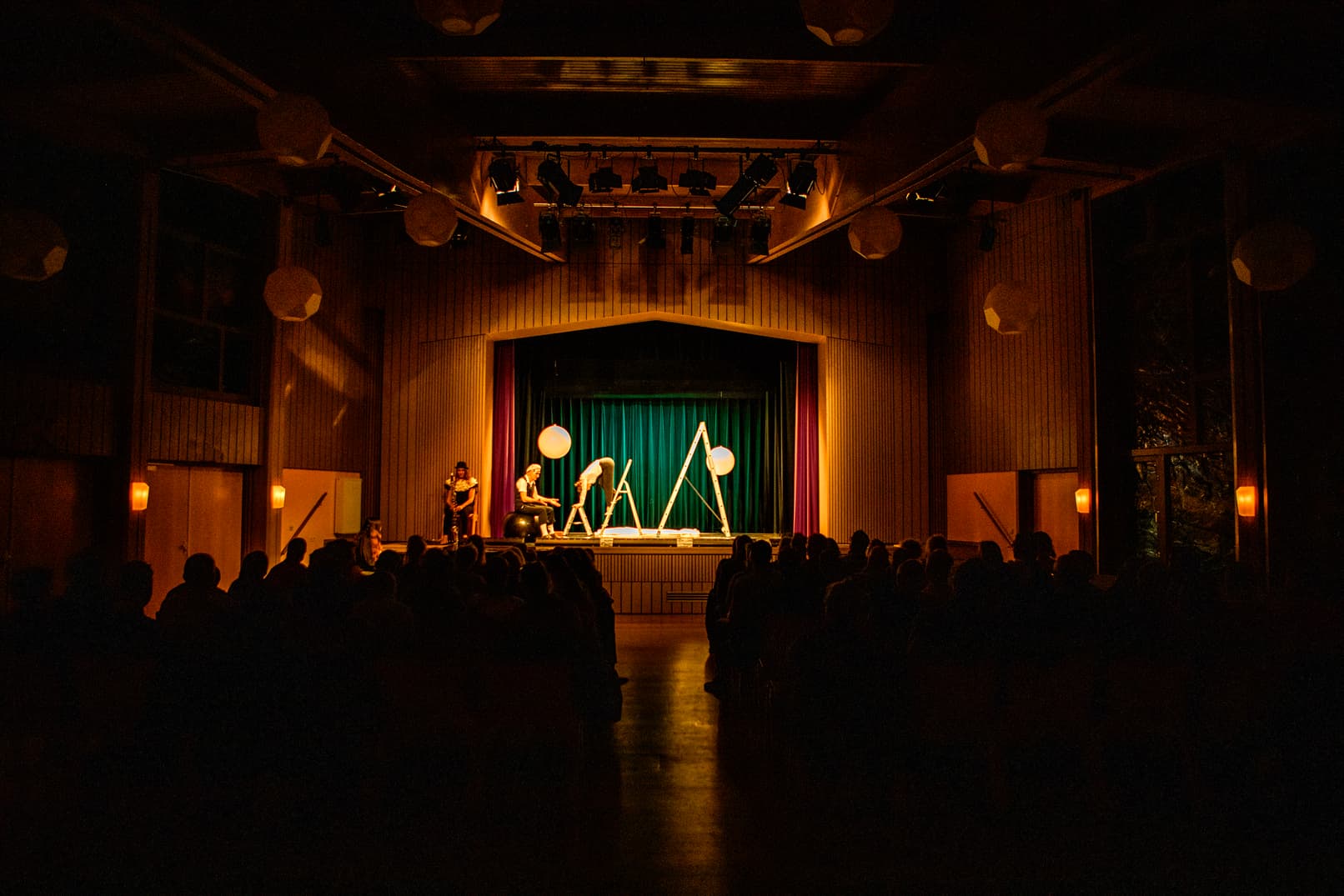
Most importantly, the final performance gave the project a life beyond the exchange. By sharing real stories through theatre, the participants created an accessible way for wider audiences to think about prejudice, diversity and belonging. Documentary Theatre: Words that Matter! showed that when young people are given the tools to listen, create and speak openly, art can become a powerful starting point for social change.
To find out more about this case study, visit the Erasmus+ project database.